
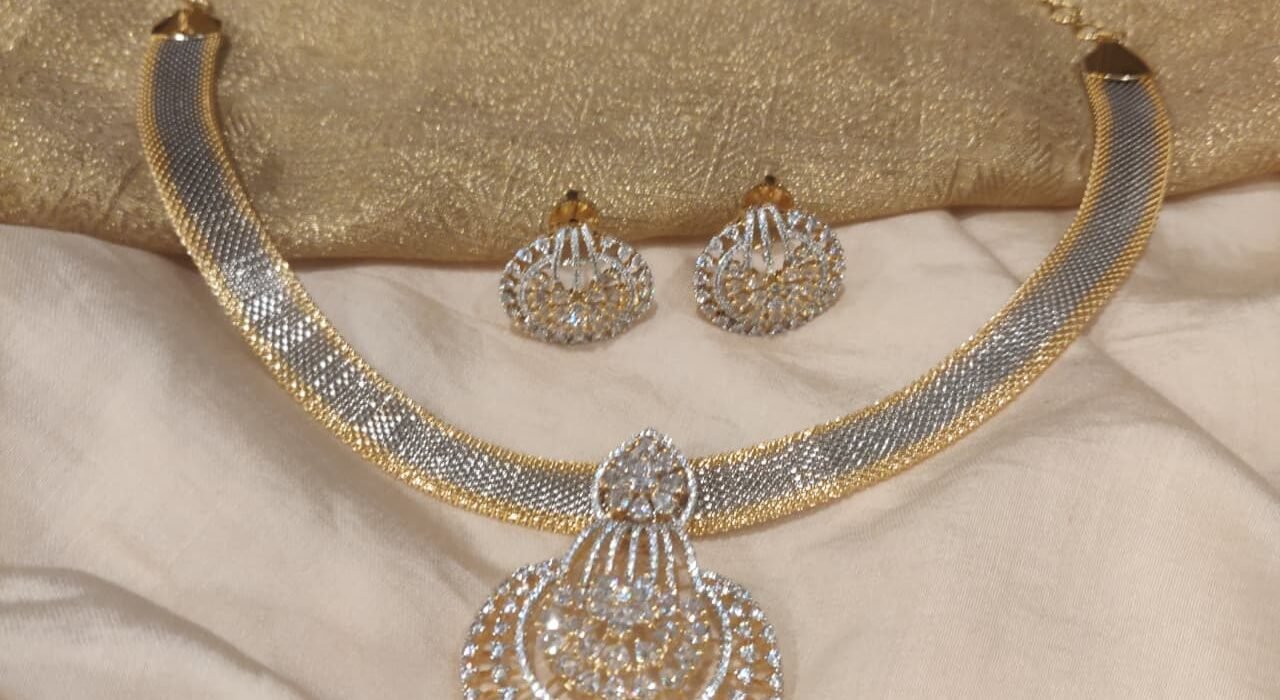
Your treasured pieces from Emporia Jewels deserve to shine brilliantly for years. From opulent bridal sets to elegant everyday earrings, knowing how to clean artificial jewellery is essential for preserving their beauty and lustre. This guide provides expert advice on maintaining your collection, ensuring each piece remains as captivating as the day you received it. Proper care is the secret to timeless elegance.
Why Cleaning Your Jewellery Matters
Understanding the importance of regular cleaning can transform how you maintain your collection, a key concern for customers of top artificial jewellery brands in india, ensuring every piece from Emporia Jewels retains its showroom-quality allure.
Maintaining Shine and Longevity
Daily exposure to sweat, lotions, perfumes, and dust can create a dull film on your jewellery, diminishing its sparkle. Regular cleaning preserves the intricate finish of pieces like Emporia Jewels’ Temple Collections and bridal sets. This simple practice is a vital part of caring for fashion jewellery, as it extends the life of each piece, ensuring it remains a treasured part of your collection for years to come.
Preventing Skin Irritation
Trapped bacteria and grime on uncleaned jewellery can lead to skin irritation, rashes, or minor infections. Emphasizing hygiene is crucial, especially for items like an artificial jewellery mangalsutra, earrings, and necklaces that have prolonged skin contact. Keeping your pieces clean ensures they are not only beautiful but also safe and comfortable to wear every time.
Essential Supplies for Cleaning at Home
You don’t need expensive solutions for effective cleaning imitation jewellery at home. Most of the necessary items are likely already in your household. Gathering the right supplies ensures you can clean your pieces safely without causing damage.
Gentle Cleaning Solutions
Always opt for mild, non-corrosive cleaners. Here are the best options:
- Mild Dish Soap: A fragrance-free, gentle soap is perfect for cutting through grease and grime without harming the plating.
- Baby Shampoo: Known for its gentle formula, it’s an excellent and safe alternative to dish soap.
- Baking Soda: When mixed with water to form a paste, it acts as a mild abrasive to remove tarnish.
Soft Tools for Polishing
The tools you use are as important as the cleaning solution itself. Harsh materials can cause scratches.
- Soft-Bristled Baby Toothbrush: Ideal for getting into small crevices without scratching the surface or dislodging stones.
- Cotton Swabs: Perfect for targeted cleaning and drying in delicate areas.
- Microfiber or Lint-Free Cloth: Essential for polishing and drying your jewellery without leaving behind fibres.
Avoid using paper towels or tissues, as their fibres can be surprisingly abrasive.
Step-by-Step: How to Clean Artificial Jewellery
With your supplies ready, you can begin the process of cleaning imitation jewellery at home. Follow these simple, proven methods to restore the brilliance of your accessories.
The Mild Soap and Water Method
This is the safest and most effective method for the majority of fashion jewellery, including a silver artificial jewellery set, bracelets, and anklets from Emporia Jewels.
- Mix a few drops of mild dish soap or baby shampoo into a bowl of lukewarm water.
- Submerge the jewellery for no more than 30-60 seconds. Do not soak for long periods.
- Gently scrub the piece with a soft-bristled baby toothbrush, paying attention to crevices.
- Rinse the jewellery thoroughly under cool, running water to remove all soap residue.
- Pat the piece completely dry with a soft, lint-free cloth.
Using a DIY Jewellery Cleaner
For pieces that have started to tarnish, a gentle homemade paste can work wonders. This is the best approach for tarnished artificial jewellery cleaning.
- Create a paste by mixing two parts baking soda with one part water.
- Apply the paste directly to the tarnished areas of the jewellery.
- Gently rub the paste with your fingers or a soft cloth until the tarnish lifts.
- Rinse the piece meticulously under cool water to ensure no residue remains.
- Dry it thoroughly with a microfiber cloth.
This simple DIY jewellery cleaner is a powerful tool for restoring the original colour of your pieces.
Cleaning Specific Emporia Jewels Pieces
Different styles of jewellery, like kushal artificial jewellery, require unique care. Here’s how to clean artificial jewellery based on its specific design, ensuring your Emporia Jewels collection remains pristine.
How to Clean Kundan Jewellery
Kundan jewellery, with its delicate foil backing, is extremely sensitive to moisture. A ‘no water’ or ‘minimal water’ rule is critical. To properly understand how to clean kundan jewellery, avoid submerging it completely. Instead, use a clean, dry, soft-bristled brush to gently remove dust from crevices. For smudges, dip a cotton swab in water, squeeze out all excess moisture until it is barely damp, and carefully wipe the spot. Dry immediately with a clean cloth. This special care protects the intricate craftsmanship of Emporia Jewels’ Kundan necklaces and earrings.
Cleaning American Diamond Jewellery
American Diamond (AD) and Cubic Zirconia (CZ) stones can become cloudy from exposure to oils, lotions, and soap. The best method for cleaning american diamond jewellery is the mild soap and water technique. Use a soft toothbrush to gently scrub around the stones, which will dislodge grime and restore their fire and sparkle. Rinsing well is crucial, as soap scum buildup will dull the shine. Proper cleaning american diamond jewellery keeps your Emporia AD rings and pendant sets looking as brilliant as their genuine counterparts.
Common Cleaning Mistakes to Avoid
Knowing what not to do is just as important as knowing the correct methods. Avoiding these common mistakes will protect your jewellery from irreversible damage.
Using Harsh Chemicals and Abrasives
Certain substances can strip plating, corrode metal, and damage stones. Never use the following:
- Toothpaste (it is abrasive and can scratch surfaces)
- Vinegar or Lemon Juice (their acidity can damage plating)
- Acetone, Alcohol, or Bleach (these are highly corrosive)
- Commercial jewellery dips (often too harsh for imitation pieces)
A gentle DIY jewellery cleaner made from baking soda is far safer than these aggressive alternatives for tarnished artificial jewellery cleaning.
Soaking Jewellery for Too Long
Prolonged soaking is a primary cause of damage in fashion jewellery. It can weaken the adhesives used to set stones, causing them to fall out. Furthermore, moisture can seep into hidden crevices and lead to long-term corrosion and tarnishing from the inside out. We recommend a maximum soak time of one to two minutes for most pieces.
Aftercare: Drying and Storing Jewellery
Your care routine doesn’t end after cleaning. Proper drying and storage are fundamental to preserving your jewellery’s condition.
The Right Way to Dry Pieces
Moisture is the enemy of artificial jewellery. After rinsing, gently pat your pieces dry with a soft, lint-free cloth. Avoid air-drying, as this can leave mineral spots and encourage tarnishing. For intricate designs with many crevices, you can use a hairdryer on a cool, low setting to ensure every last bit of moisture is gone.
How to Store Artificial Jewellery
Proper storage prevents scratching, tangling, and exposure to elements that cause tarnish. The best way to learn how to store artificial jewellery is to treat each piece individually. Store items separately in soft pouches, anti-tarnish bags, or a jewellery box with individual compartments. Always keep your collection in a cool, dry place away from direct sunlight and humidity. This final step is a key part of caring for fashion jewellery and maintaining its everlasting beauty.
Frequently Asked Questions
Q1. How often should I clean my artificial jewellery?
Clean pieces you wear often every 2-3 weeks, and deep clean your entire collection a few times a year.
Q2. Can I use hand sanitizer to clean my imitation jewellery?
No, hand sanitizer contains alcohol and other harsh chemicals that can damage the plating and stones.
Q3. What is the best way to clean tarnished artificial jewellery?
A paste made of baking soda and water is the most effective and safe method for removing tarnish.
Q4. Can you use toothpaste to clean artificial jewellery?
No, toothpaste is abrasive and will create micro-scratches on the surface of your jewellery, dulling its finish.
Q5. How do you get the green tarnish off fake jewelry?
Gently scrub the green spots with a baking soda paste or a soft cloth dipped in a mild soap solution.
Q6. How can I make my artificial jewellery shine again?
A gentle cleaning with mild soap and water followed by polishing with a microfiber cloth will restore its shine.